

 15 min
A backlink audit is your starting point when you embark on a journey to grow your backlink profile. It helps you pinpoint and decline malicious backlinks that endanger your site’s ranking and uncover solid backlink opportunities. In short, any link building strategy starts with a robust backlink audit.
Keep reading this guide to learn how to conduct a backlink audit in 7 easy steps.
What is a Backlink Audit?
A backlink audit is a multifaceted analysis of your website’s backlink profile, including both inbound and outbound links. The purpose of a backlink audit is to evaluate the quality of your link profile, identify any spammy or low-quality links, and discover new link opportunities.
During a backlink audit, you will examine various metrics that contribute to the quality and relevance of each link, such as the domain authority
Given that, backlink audits are an essential part of any link building strategy that helps you make informed decisions about which links to keep, disavow, or pursue.
But how often should you perform backlink audits?
We asked an expert to share his insights:
«I think that the frequency depends on the type of link profile your site has.
Some of my clients do it every month, including disavowing bad links. That’s because they attracted bad links to begin with, and this resulted in loss of rankings. Bad links keep coming back and this requires regular links maintenance and auditing.
Other websites can do it every 3−4 months if they have an healthy link profile. Sometimes clients hire PR agencies and they generate new links to the website which need to be reported and audited for performance. Or maybe they hire a link building specialist to help with scaling their efforts. Maybe they bought links that seem a bit shady and need some checks.
If your site is not doing any of those activities, there is probably no need to do any regular audit.» — Luca Tagliaferro, SEO expert and consultant. [website]
Why is a Backlink Audit Important?
Let’s explore four more benefits of regular backlink audits.
Reason #1: You identify negative SEO attacks
Negative SEO is a malicious attack on your site’s backlink profile to drop its rankings or even get it removed from the search engine page results.
When auditing your backlink profile, you can spot links that look unnatural or out of place.
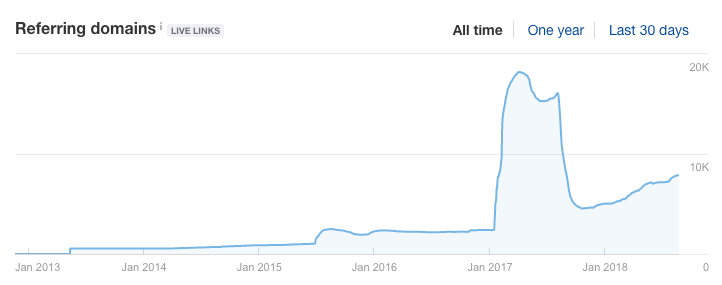
For instance, too many links with spammy-looking anchor text, from foreign countries, URLs with no content, low-quality sitewide links, etc., are the signs of a negative SEO attack. Also, spikes in the number of backlinks can indicate a malicious link building campaign
![A Guide to Local Link Building [Strategies, Tips & More]](https://digitalolympus.net/files/A-Guide-to-Local-Link-Building-Strategies_-Tips-_-More-1.png)
![Manual Link Building [Practical Guide with Strategies]](https://digitalolympus.net/files/Manual-Link-Building-Practical-Guide-with-Strategies-1.png)